

Intestine Pain After Eating: Causes & Relief Tips
March 18, 2026Intestine Bleeding Symptoms: What Blood in Stool Means and When to Seek Urgent Care
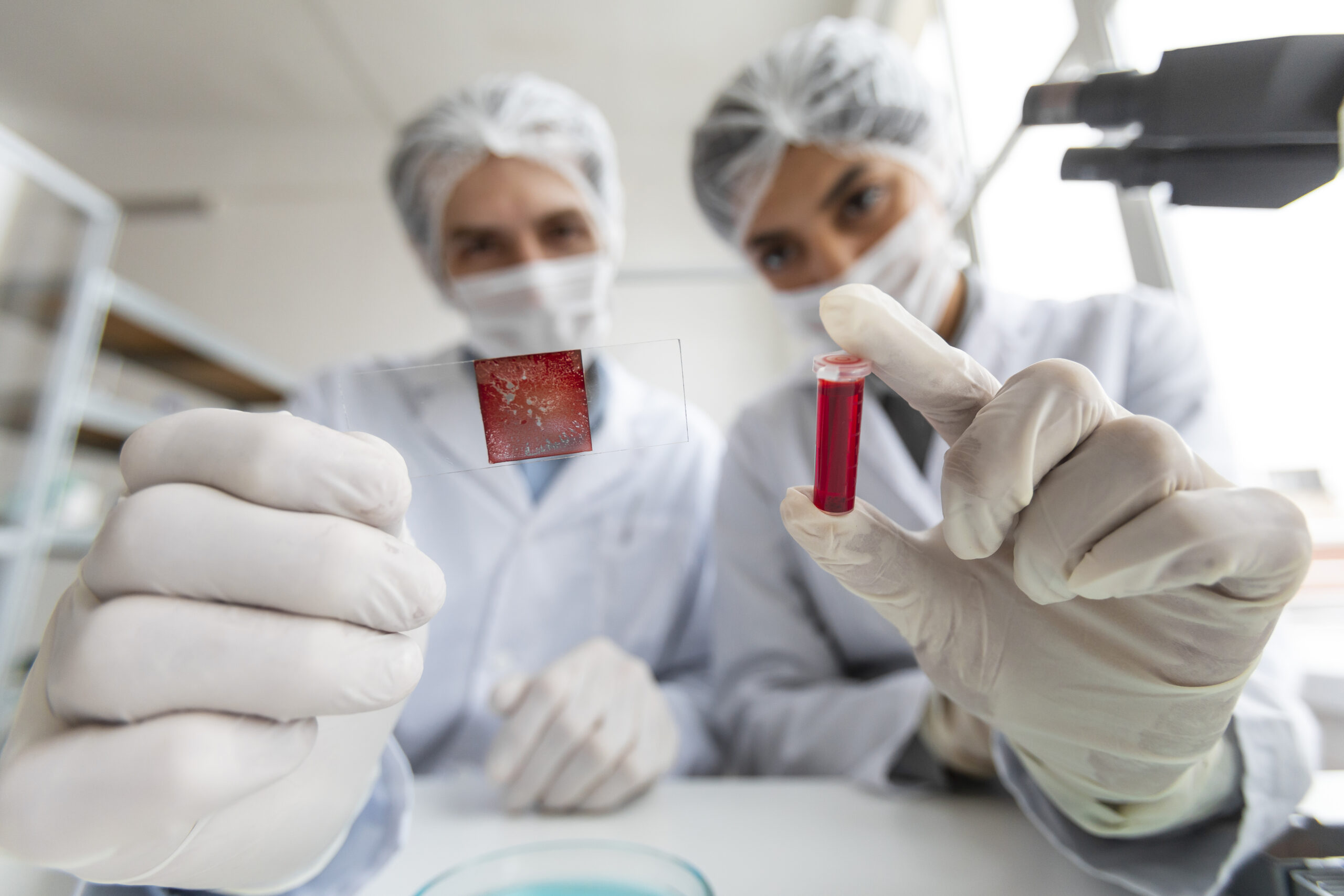
Intestine bleeding, often noticed as blood in stool or rectal bleeding, is a serious symptom that should never be ignored. It can range from minor issues like hemorrhoids to life-threatening conditions such as inflammatory bowel disease (IBD), diverticulitis, polyps, or colorectal cancer. "Intestine bleeding" typically refers to gastrointestinal (GI) bleeding from the small or large intestine (colon), which may appear as bright red blood, dark red/maroon blood, or black tarry stools depending on the location and speed of the bleed.
At Vanguard Gastroenterology (Gastro NYC), our expert gastroenterologists specialize in diagnosing and treating causes of intestinal bleeding using advanced tools like colonoscopy, sigmoidoscopy, capsule endoscopy, upper endoscopy, and more. Early evaluation is key to preventing complications and ensuring proper treatment.
In this guide, we'll cover the main symptoms of intestine bleeding, how the appearance of blood indicates the source, common causes, associated signs, diagnosis, treatment, and critical times to seek help.
What Does Intestine Bleeding Look Like? Key Symptoms
The primary symptom is visible or hidden blood related to bowel movements. Symptoms vary by bleeding location (lower intestine/colon/rectum vs. higher in the small intestine or upper GI):
- Bright red blood: Fresh blood on toilet paper, streaks on stool, drops in the toilet bowl (water turns red), or coating the stool. This usually signals bleeding from the lower colon, rectum, or anus .
- Dark red or maroon blood: Mixed in stool or appearing as clots. Suggests bleeding higher in the colon or small intestine, where blood has partially digested.
- Black, tarry stools (melena): Sticky, foul-smelling black poop. Indicates bleeding from the small intestine or higher (e.g., upper small bowel), as blood darkens during digestion .
- Occult (hidden) bleeding: No visible blood, but detected via stool tests. Can cause anemia symptoms like fatigue, pale skin, shortness of breath, dizziness, or weakness over time.
Other common accompanying symptoms include:
- Abdominal cramping or pain (especially lower abdomen)
- Changes in bowel habits (diarrhea, constipation, urgency)
- Bloating or feeling of incomplete evacuation
- Mucus or pus in stool
- Unexplained weight loss, fever, or nausea (in more serious cases)
Note: Foods like beets, red dyes, or iron supplements can mimic blood— but always get checked if unsure.
Common Causes of Intestine Bleeding
Causes differ by location:
Lower Intestine (Colon/Rectum – often bright red blood):
- Hemorrhoids (swollen veins; common from straining/constipation)
- Anal fissures (tears in anal lining; painful during bowel movements)
- Diverticulosis/diverticulitis (pouches in colon wall that bleed or inflame)
- Inflammatory bowel disease (ulcerative colitis or Crohn's in colon)
- Polyps or colorectal cancer
- Infections (e.g., bacterial colitis)
Small Intestine (often darker blood or melena):
- Small bowel angiodysplasia (abnormal blood vessels)
- Ulcers or erosions
- Crohn's disease affecting small intestine
Other Factors: Medications (e.g., NSAIDs, blood thinners), infections, or rarely, vascular issues.
When Is It an Emergency? Red Flags for Immediate Care

-
Seek emergency help (call 911 or go to ER) if you experience:
- Heavy or continuous bleeding (large amounts of blood/clots in toilet)
- Black tarry stools with dizziness, fainting, rapid heartbeat, or weakness (signs of significant blood loss)
- Severe abdominal pain/cramping
- Vomiting blood or coffee-ground-like material
- Signs of shock: pale skin, rapid shallow breathing, blurred vision
Even mild but persistent bleeding warrants prompt attention—don't assume it's "just hemorrhoids," especially if over 45, with family history of colon issues, or changing bowel habits .
Diagnosis at Vanguard Gastroenterology

We start with a detailed GI consult to review symptoms, history, and risk factors. Diagnostic tools include:
- Stool tests (for occult blood, infection, inflammation)
- Blood work (anemia, clotting issues)
- Colonoscopy or sigmoidoscopy (gold standard for lower intestine; detects polyps, inflammation, bleeding sources)
- Capsule endoscopy (for small intestine if needed)
- Upper endoscopy or EUS/ERCP (if higher bleeding suspected)
- Fibroscan (if liver-related complications)
These procedures allow direct visualization, biopsies, and treatments like polyp removal or bleeding control.
Treatment Options
-
Depends on cause:
- Hemorrhoids/fissures: Diet changes (high fiber), stool softeners, topical creams, banding, or minor procedures.
- Infections: Antibiotics.
- IBD: Anti-inflammatory meds, biologics (via in-office infusions).
- Polyps/cancer: Removal during colonoscopy or further surgery/therapy.
- Diverticular bleeding: Often stops on its own; may need embolization or surgery if severe.
Lifestyle tips: High-fiber diet, hydration, avoid straining, manage constipation.
Prevention and Next Steps
-
Regular colon cancer screenings (starting age 45) can catch issues early. If you notice any blood in stool, track details (color, amount, frequency) and contact a specialist promptly.
Contact Vanguard Gastroenterology (Gastro NYC) Today
Midtown: 36 East 31st Street, Suite 701, New York, NY 10016
Broadway (The Woolworth Building): 233 Broadway, Suite 2750, New York, NY 10279
Phone: (212) 889-5544
Fax: (212) 481-1089
Hours: Monday–Friday, 8am–5pm
Schedule a GI consult for expert evaluation of intestine bleeding symptoms and peace of mind. Early action saves lives.
5 FAQs About Intestine Bleeding Symptoms
Q2: Is black tarry stool a sign of intestine bleeding?
Answer:Yes—black, sticky, foul-smelling stools (melena) often mean bleeding higher up, like in the small intestine or upper GI, where blood digests and darkens. This can be serious; seek care quickly .
Q3: Can intestine bleeding be painless?
Answer:Yes—many causes like hemorrhoids, polyps, or diverticulosis cause bleeding without much pain. Painless rectal bleeding still needs evaluation to rule out serious issues like cancer.
Q4: When should I see a doctor for blood in stool?
Answer:Any visible blood warrants a visit. See a doctor if it lasts >1-2 days, recurs, or includes changes in bowel habits. Go to ER for heavy bleeding, dizziness, or black stools .
Q5: How is intestine bleeding diagnosed at Gastro NYC?
Answer:Through GI consult, stool/blood tests, and procedures like colonoscopy (to view colon/rectum) or capsule endoscopy (for small intestine). Vanguard offers these on-site for accurate diagnosis and treatment .