
Clotting Issues: Symptoms, Causes, Diagnosis & Treatment Guide
March 16, 2026
Intestine Bleeding Symptoms: Blood in Stool Causes, Warning Signs & When to See a Doctor
March 26, 2026Intestine Pain After Eating: Causes, Symptoms, and When to Seek Help from a Gastroenterologist
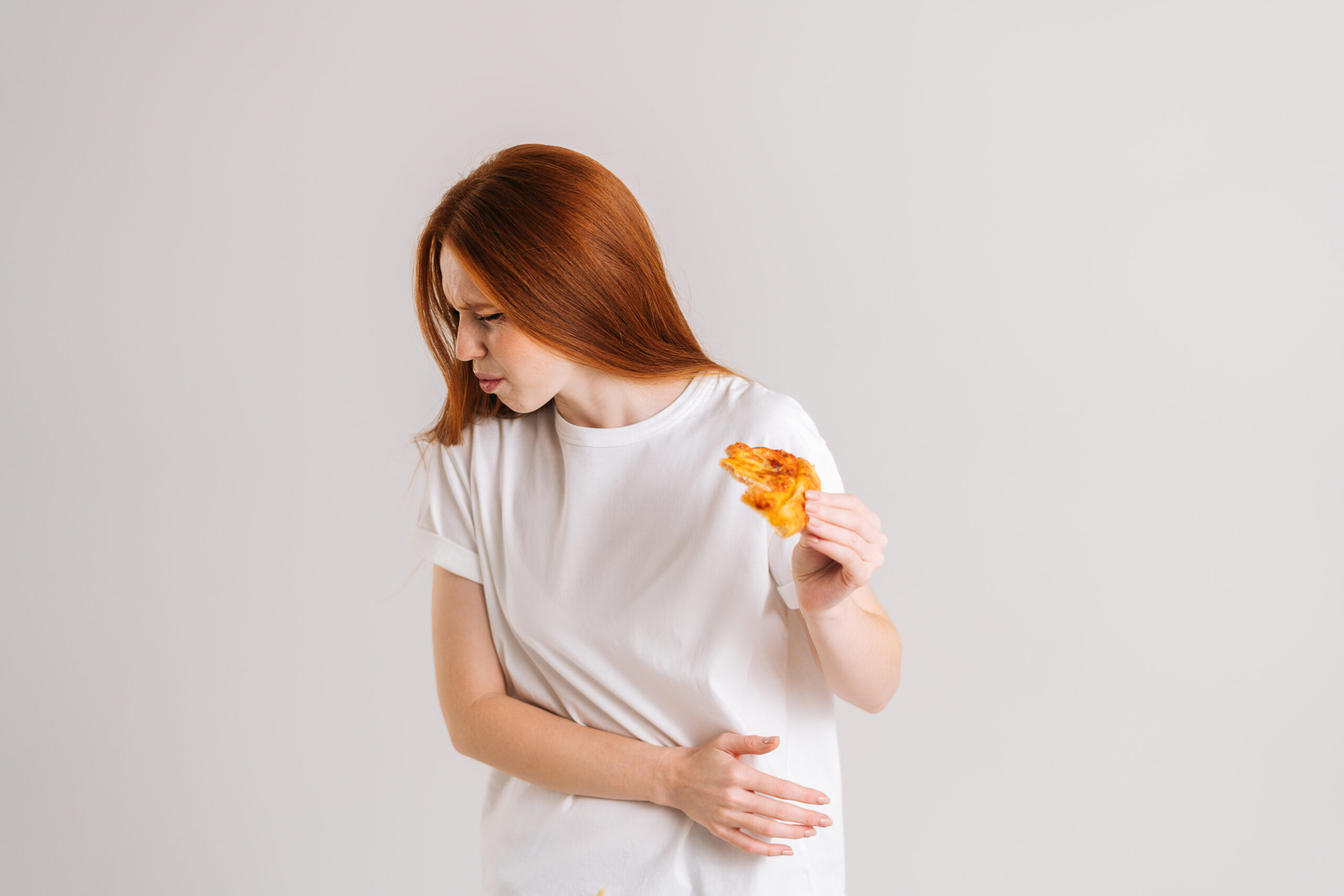
Intestine pain after eating, also known as postprandial abdominal pain or stomach/intestine discomfort following meals, is a common issue that affects many people. This pain can range from mild cramping to sharp, intense discomfort in the lower or mid-abdomen, often linked to the small or large intestine. While occasional pain might stem from something simple like overeating or gas, persistent or severe intestine pain after eating could signal an underlying digestive condition that needs professional evaluation.
At Vanguard Gastroenterology (Gastro NYC), our experienced team specializes in diagnosing and treating a wide range of gastrointestinal issues, including those causing pain after meals. With advanced procedures like colonoscopy, upper endoscopy, capsule endoscopy, and more, we help patients in New York City find relief and regain digestive wellness.
In this comprehensive guide, we'll explore the most common causes of intestine pain after eating, associated symptoms, diagnostic approaches, treatment options, prevention tips, and why seeing a gastroenterologist is essential if symptoms persist.
Understanding Intestine Pain After Eating
Intestine pain after eating typically occurs when food triggers irritation, inflammation, spasms, or poor digestion in the small intestine (where most nutrient absorption happens) or large intestine (colon, responsible for water absorption and waste formation). Unlike upper stomach pain (often from acid reflux or gastritis), intestine-related pain is usually felt lower in the abdomen, may involve cramping, bloating, or changes in bowel habits, and worsens shortly after meals.
Common triggers include certain foods, digestive disorders, or infections. According to reputable sources like Cleveland Clinic and Mayo Clinic, this type of pain is often tied to indigestion, food intolerances, IBS, or more serious issues like inflammatory bowel disease (IBD).
Common Causes of Intestine Pain After Eating
Here are the primary reasons people experience intestine pain after meals:
- Food Intolerances or Sensitivities Lactose intolerance, gluten sensitivity (non-celiac), or fructose malabsorption can cause gas, bloating, and cramping in the intestines as undigested food ferments. Pain often starts 30 minutes to a few hours after eating dairy, wheat, or high-FODMAP foods.
- Irritable Bowel Syndrome (IBS) IBS is a functional disorder affecting the large intestine, leading to cramping, bloating, diarrhea, or constipation triggered by meals. Stress and certain foods (like fatty or spicy items) worsen symptoms. IBS pain is often relieved after a bowel movement.
- Gas and Bloating (Excess Intestinal Gas) Swallowing air or eating gas-producing foods (beans, broccoli, carbonated drinks) leads to trapped gas in the intestines, causing sharp, cramping pain that may shift locations.
- Inflammatory Bowel Disease (IBD) – Crohn's Disease or Ulcerative Colitis Chronic inflammation in the intestines can cause pain after eating, especially if there's partial blockage or flare-ups. Crohn's often affects the small intestine, leading to mid-abdominal pain.
- Small Intestinal Bacterial Overgrowth (SIBO) Excess bacteria in the small intestine ferment food, producing gas and pain shortly after meals, along with bloating and diarrhea.
- Constipation or Slow Transit Hard stool buildup in the colon causes pressure and pain, exacerbated by meals that add bulk without relief.
- Food Poisoning or Infections Bacterial contamination (e.g., from undercooked food) irritates the intestines, causing acute pain, nausea, and diarrhea.
- Other Serious Causes Less common but important: diverticulitis (inflamed colon pouches), celiac disease, pancreatitis (pain radiating to intestines), or even gallstones (if pain is upper but refers lower).
If pain is severe, sudden, or accompanied by vomiting blood, black stools, fever, or unexplained weight loss, seek immediate medical attention.
Symptoms to Watch For
-
- Cramping or sharp pain in the lower/mid-abdomen
- Bloating or distended belly
- Gas, belching, or excessive flatulence
- Diarrhea, constipation, or alternating patterns
- Nausea or feeling full quickly
- Changes in stool (mucus, blood, or urgency)
These symptoms often overlap, making self-diagnosis tricky— that's why professional evaluation is key.
Diagnosis: How Gastroenterologists Identify the Cause
-
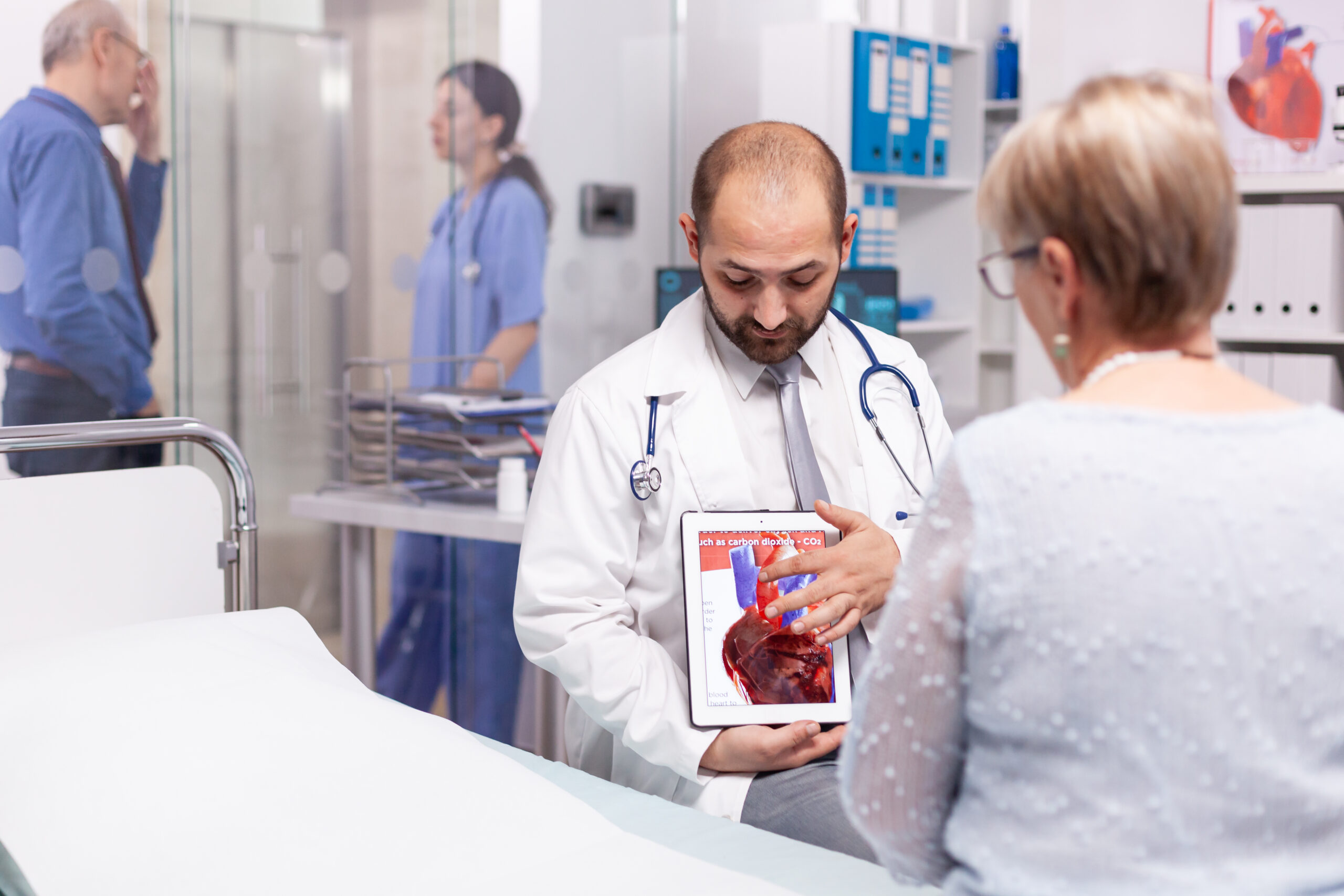
At Vanguard Gastroenterology, diagnosis starts with a thorough GI consult, including:
- Detailed history of symptoms, diet, and triggers
- Physical exam
- Blood tests (for inflammation, anemia, or infections)
- Stool tests
- Imaging like Fibroscan (for liver-related issues) or advanced endoscopy
Procedures we offer include:
- Upper Endoscopy – to check upper GI
- Colonoscopy or Sigmoidoscopy – to visualize the colon
- Capsule Endoscopy – for small intestine imaging
- EUS or ERCP – for deeper evaluation
These tools help rule out serious conditions and pinpoint the exact cause.
Treatment Options
-
Treatment depends on the underlying cause:
- Lifestyle and Dietary Changes – Avoid triggers (e.g., low-FODMAP diet for IBS, lactose-free for intolerance). Eat smaller, frequent meals and chew slowly.
- Medications – Antispasmodics for cramps, probiotics for gut balance, antibiotics for SIBO/infections, or anti-inflammatories for IBD.
- Procedures – Polyp removal during colonoscopy, FMT for certain infections, or infusions for chronic conditions.
- Weight Management – Our integrative program helps if obesity contributes to symptoms.
Most cases improve with conservative management, but early intervention prevents complications.
Prevention Tips for Intestine Pain After Eating
-
- Eat slowly and mindfully
- Avoid trigger foods (track with a food diary)
- Stay hydrated and active
- Manage stress (it worsens IBS)
- Limit fatty, spicy, or gas-producing foods
- Get regular screenings if over 45 or with family history
When to See a Gastroenterologist
Don't ignore persistent intestine pain after eating. Contact a specialist if:
- Pain occurs frequently (more than a few times a week)
- Symptoms disrupt daily life
- Over-the-counter remedies fail
- You have red flags like blood in stool, fever, or weight loss
At Vanguard Gastroenterology, we provide expert care to help you feel better quickly.
Contact Us Today
Vanguard Gastroenterology (Gastro NYC)
Midtown: 36 East 31st Street, Suite 701, New York, NY 10016
Broadway (The Woolworth Building): 233 Broadway, Suite 2750, New York, NY 10279
Phone: (212) 889-5544
Fax: (212) 481-1089
Hours: Monday–Friday, 8am–5pm
Schedule a GI consult to get to the root of your intestine pain after eating and start your path to better digestive health.
5 FAQs About Intestine Pain After Eating
Q2: Is intestine pain after eating always serious?
Answer: No—many cases are benign (e.g., indigestion or gas). However, if it's frequent, severe, or with other symptoms like blood or weight loss, it could indicate IBS, IBD, or other conditions requiring treatment.
Q3: How can I tell if it's small intestine vs. large intestine pain?
Answer: Small intestine pain is often mid-abdomen and crampy shortly after eating. Large intestine (colon) pain is lower, may involve bloating/constipation, and worsens with meals.
Q4: What home remedies help relieve intestine pain after eating?
Answer: Try peppermint tea, walking after meals, over-the-counter simethicone for gas, or antacids if acid-related. Avoid self-medicating long-term—see a doctor for persistent issues.
Q5: When should I see a specialist like at Gastro NYC?
Answer: If pain persists beyond a few weeks, interferes with life, or includes alarming symptoms, book a consult. Vanguard Gastroenterology offers advanced diagnostics like colonoscopy and capsule endoscopy for accurate diagnosis and relief.