
Stomach Bloating: Causes, Symptoms, Home Remedies & Treatment
February 11, 2026
Rebel Wilson’s Inspiring Weight Loss & Wellness Journey
February 12, 2026Bloating During Period: Causes, Symptoms, Relief Tips, and When to Get Help
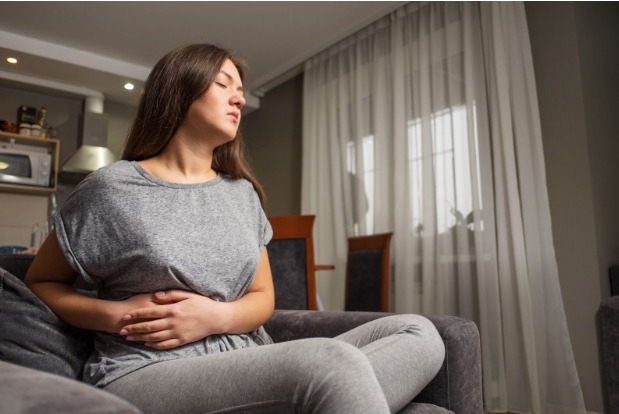
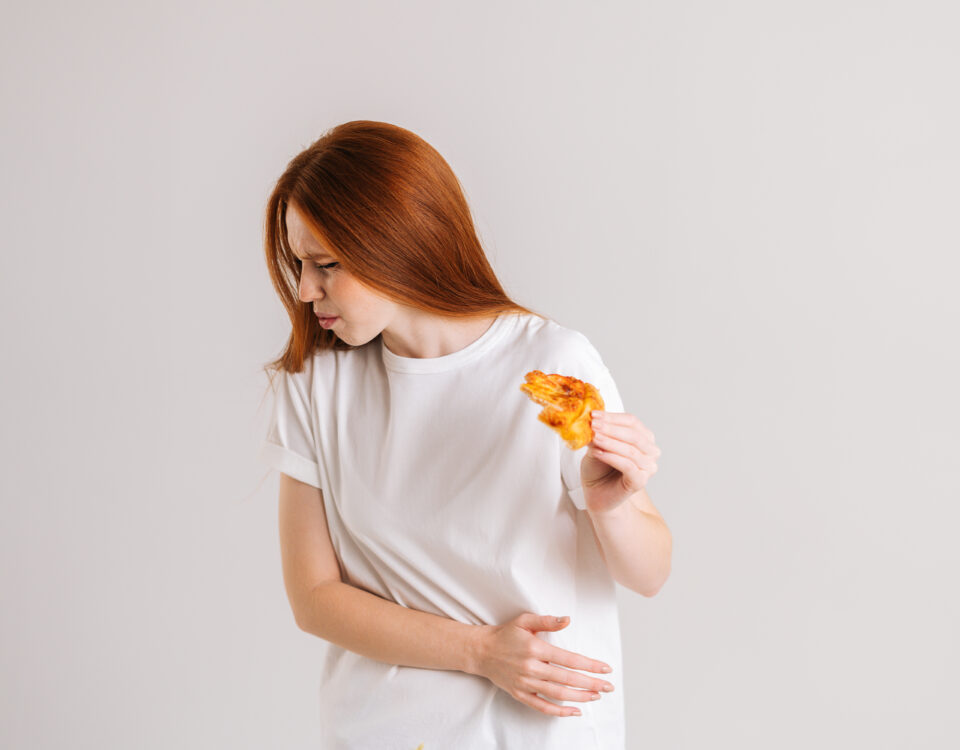
Bloating during period (also known as period bloating, menstrual bloating, or premenstrual bloating) is a very common and frustrating symptom for many women. It causes your abdomen to feel full, tight, swollen, or pressurized, often making your stomach look noticeably larger or "puffy." This discomfort can include extra gas, mild cramping, or a heavy feeling, and it frequently ties into broader premenstrual syndrome (PMS) symptoms. Studies show that up to 75% of women experience some form of bloating before or during their period, with many describing it as moderate to severe at times.
This bloating typically starts 1–2 weeks before menstruation (in the luteal phase) and peaks right before or on the first few days of bleeding. It usually eases as your period progresses and hormone levels stabilize. While it's normally harmless and temporary, understanding the causes and trying targeted relief can improve comfort significantly.
Main Causes of Bloating During Period
The primary reason for bloating during period is hormonal changes throughout the menstrual cycle.
Hormonal Fluctuations
Bloating during period often comes with:
- Visible abdominal swelling or distension (clothes feel tighter).
- Feeling of fullness or pressure in the belly.
- Increased gas, burping, flatulence, or rumbling sounds.
- Mild to moderate lower abdominal discomfort or cramping.
- Temporary weight fluctuation (1–5 pounds from fluid, not fat).
- Other PMS signs like breast tenderness, fatigue, mood changes, headaches, or backaches.
Symptoms vary cycle to cycle and person to person—some feel mild, while others describe it as uncomfortable or confidence-affecting.
Additional Contributing Factors
- Dietary influences: High-salt foods, processed items, refined carbs (like white bread or sugary snacks), caffeine, or alcohol worsen retention and gas. Cravings during PMS often lead to salty or sweet choices that amplify symptoms.
- Digestive slowdown: Progesterone relaxes intestinal muscles, allowing food to move slower and ferment longer, producing more gas.
- Other triggers: Stress (which increases air swallowing), lack of movement, or underlying sensitivities (e.g., to certain foods) can intensify bloating during this phase.
In most cases, period bloating is purely hormonal and lifestyle-related, but persistent or extreme cases might overlap with conditions like IBS, endometriosis, or PCOS.
Symptoms Commonly Associated with Bloating During Period
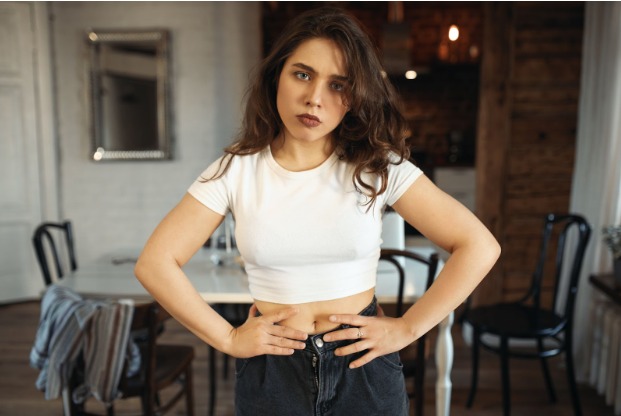
Bloating during period often comes with:
- Visible abdominal swelling or distension (clothes feel tighter).
- Feeling of fullness or pressure in the belly.
- Increased gas, burping, flatulence, or rumbling sounds.
- Mild to moderate lower abdominal discomfort or cramping.
- Temporary weight fluctuation (1–5 pounds from fluid, not fat).
- Other PMS signs like breast tenderness, fatigue, mood changes, headaches, or backaches.
Symptoms vary cycle to cycle and person to person—some feel mild, while others describe it as uncomfortable or confidence-affecting.
Practical Home Remedies to Reduce Bloating During Period
Many women successfully manage period bloating with lifestyle tweaks. Focus on reducing fluid retention, supporting digestion, and easing hormonal effects.
Dietary Adjustments
-
- Cut back on salt and sodium: Limit processed foods, chips, restaurant meals, and added salt to prevent extra water retention.
- Stay well-hydrated: Drink plenty of water (aim for 8–10 glasses or 2+ liters daily). Paradoxically, good hydration helps flush excess sodium and reduces retention—avoid overdoing it.
- Boost potassium-rich foods: Include bananas, spinach, sweet potatoes, avocados, tomatoes, or yogurt to balance sodium and promote fluid balance.
- Incorporate natural diuretic foods: Asparagus, cucumber, pineapple, celery, or peaches encourage urine output to shed extra fluid.
- Limit triggers: Reduce refined carbs, sugary foods, caffeine, and alcohol, which can spike insulin, dehydrate, or add gas.
- Eat fiber gradually: Whole grains, fruits, and veggies help prevent constipation, but increase slowly to avoid more gas.
Lifestyle and Movement Tips
- Get regular exercise: Aerobic activities like walking, swimming, cycling, or light yoga (30 minutes most days) improve circulation, stimulate bowels, reduce retention, and release endorphins for PMS relief.
- Try gentle techniques: Clockwise abdominal massage, yoga poses (e.g., child's pose, wind-relieving pose), or heat packs relax muscles and help move gas.
- Sip herbal teas: Peppermint, ginger, fennel, or chamomile tea soothe the gut, reduce inflammation, and ease bloating.
- Prioritize rest and stress management: Good sleep, meditation, or breathing exercises support hormone balance and reduce stress-related worsening.
Other Helpful Aids
- Eat smaller, frequent meals to avoid digestive overload.
- Consider magnesium-rich foods (nuts, seeds, dark chocolate) or discuss supplements with a doctor for retention and cramps.
- Wear comfortable, loose clothing during peak days.
These changes often bring noticeable relief for mild to moderate bloating during period without needing medication.
When Bloating During Period Warrants Professional Attention
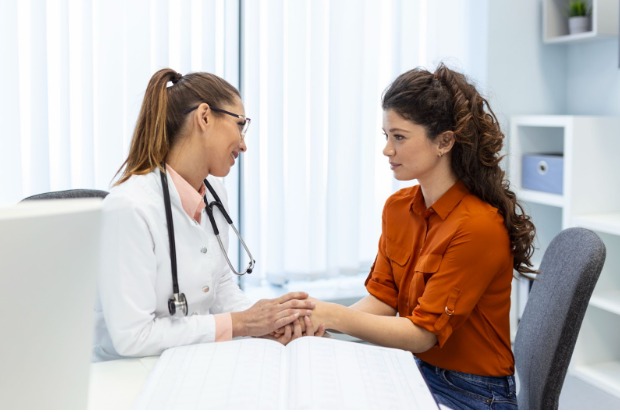
Period bloating is usually normal, but seek medical advice if:
- It feels extremely severe, painful, or debilitating.
- Bloating persists well after your period ends or occurs unpredictably.
- Red flags appear: Intense abdominal pain, heavy/irregular bleeding, unexplained weight changes, blood in stool, nausea/vomiting, fever, leg/hand swelling, or symptoms suggesting endometriosis, PCOS, fibroids, thyroid issues, or digestive disorders.
- Home remedies and lifestyle tweaks don't help after consistent tries.
A gynecologist, primary care doctor, or gastroenterologist can assess with history, exams, hormone tests, ultrasound, or digestive evaluations (e.g., breath tests for intolerances). Treatments might include hormonal options (birth control), prescription diuretics, or targeted therapies.
At Vanguard Gastroenterology (Gastro NYC), we specialize in gut-related symptoms that can overlap with menstrual cycles, such as chronic bloating, IBS-like effects during periods, or hormone-gut interactions. Our services feature personalized GI consultations, breath tests (for SIBO/intolerances worsening bloating), upper endoscopies, colonoscopies, FibroScan, and integrative approaches for comprehensive relief.
Get In Touch with Vanguard Gastroenterology
- Midtown Location: 36 East 31 Street, Suite 701, New York City, NY 10016
- Broadway Location (The Woolworth Building): 233 Broadway, Suite 2750, New York, NY 10279
- Call Now: (212) 889-5544
If bloating during period feels excessive or combines with ongoing digestive concerns, expert care can identify underlying factors and provide effective solutions. Visit https://www.gastro-nyc.com/ to learn more or book a consultation.
Frequently Asked Questions (FAQs)
Q2: How long does bloating during period typically last?
Answer: It often starts 1–2 weeks before bleeding (PMS phase), intensifies right before or on day 1–2, and usually improves within a few days as hormones balance.
Q3: What foods make bloating during period worse or better?
Answer: Worse: Salty/processed foods, refined carbs, caffeine, alcohol. Better: Potassium-rich (bananas, spinach), diuretic foods (asparagus, cucumber), and plenty of water.
Q4: Does exercise help reduce bloating during period?
Answer: Yes—regular aerobic exercise (walking, yoga) boosts circulation, aids digestion, reduces retention, and eases PMS overall. Even light movement during your period can help.
Q5: When should I see a doctor about bloating during period?
Answer: If it's severe, doesn't ease post-period, persists despite remedies, or includes red flags like intense pain, heavy bleeding, or other unusual symptoms—consult a provider to check for hormonal, digestive, or gynecological issues.