
Fatty Liver Disease: Causes, Treatment, Life Expectancy & Facial Signs – Your NYC Guide
December 27, 2025
Bloating During Period: Causes, Symptoms & Relief Tips
February 12, 2026Stomach Bloating: Causes, Symptoms, Home Remedies, and When to Seek Help

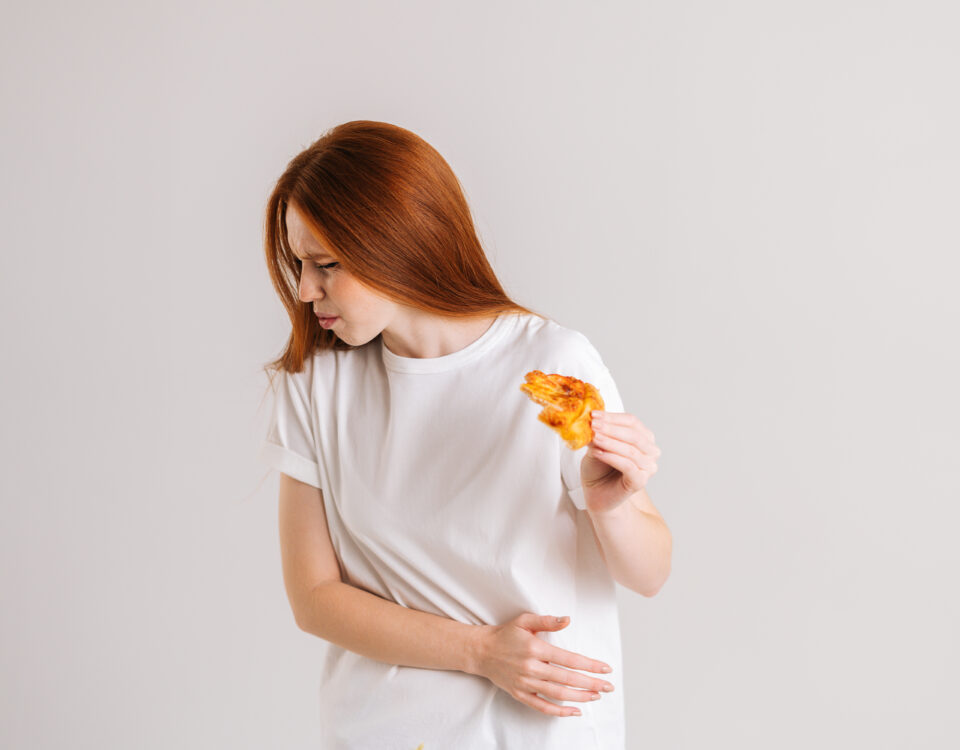
Stomach bloating, also known as abdominal bloating, is a widespread digestive complaint. It creates a sensation of fullness, tightness, swelling, or pressure in the abdomen. Your stomach may feel distended, look visibly larger, or produce rumbling noises, excessive gas, burping, or mild cramping. While many people experience it occasionally—often after meals or certain foods—frequent or severe bloating can disrupt daily life and signal an underlying issue.
Bloating affects a large portion of adults at some point, with estimates suggesting 10-30% of people deal with it regularly. It is usually benign and tied to diet or lifestyle, but understanding its causes, recognizing symptoms, and knowing effective home strategies can help manage it. When simple fixes fall short, professional evaluation becomes essential.
What Causes Stomach Bloating?
The primary mechanism behind most bloating is excess gas in the gastrointestinal tract. Gas forms naturally during digestion, but imbalances lead to buildup and discomfort.
Common Everyday Causes
- Excess gas from diet and habits: Swallowing air (aerophagia) while eating quickly, chewing gum, sipping through straws, or drinking carbonated beverages introduces extra air. Gas-producing foods like beans, lentils, broccoli, cabbage, onions, and high-fructose items ferment in the gut, creating more gas.
- Overeating or eating too fast: Large meals overwhelm digestion, slowing transit and trapping gas.
- Constipation: Slow bowel movements allow stool and gas to linger, increasing fermentation and pressure.
- Food intolerances and sensitivities: Lactose intolerance (inability to digest dairy sugar), gluten issues (e.g., celiac disease), or FODMAP sensitivities cause undigested carbs to ferment, producing gas.
- Hormonal fluctuations: Many women notice bloating during menstrual cycles, pregnancy, or perimenopause due to hormonal effects on gut motility and fluid retention.
Underlying Medical Causes
When bloating persists, it may stem from conditions requiring attention:
- Irritable Bowel Syndrome (IBS): Gut hypersensitivity and motility issues lead to chronic bloating, cramping, and irregular bowels.
- Small Intestinal Bacterial Overgrowth (SIBO): Excess bacteria in the small intestine ferment food prematurely, causing significant gas.
- Other disorders: GERD (acid reflux), gastroparesis (delayed stomach emptying), inflammatory bowel diseases (Crohn's or ulcerative colitis), celiac disease, or even pancreatic/liver issues.
- Lifestyle factors: Stress increases air swallowing, while certain medications or recent weight changes add pressure.
In rare cases, bloating links to more serious concerns like obstructions, ascites, or malignancies, especially with accompanying red flags.
Recognizing the Symptoms of Stomach Bloating
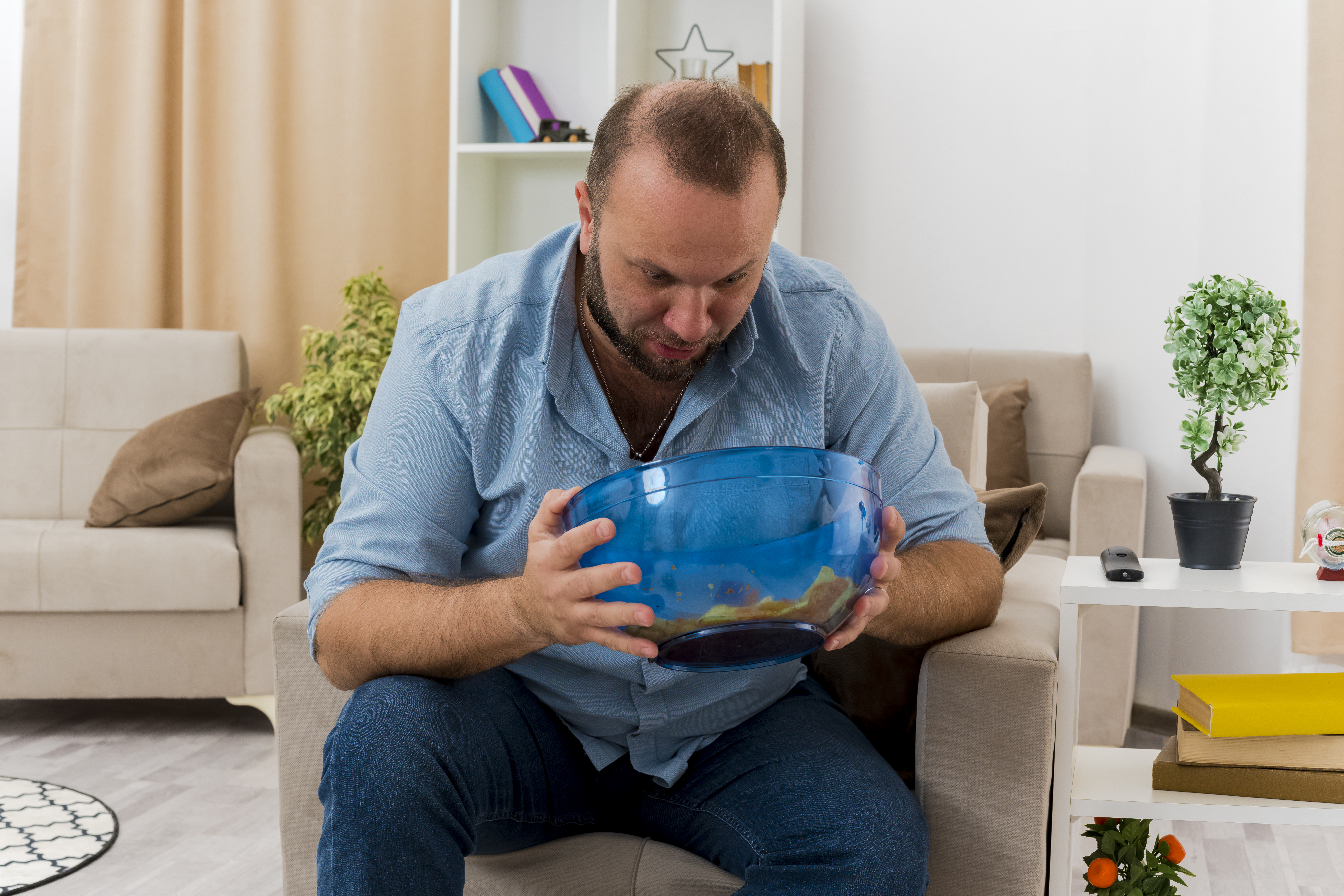
Bloating manifests differently but typically includes:
- A feeling of fullness or tightness in the abdomen, even after small meals.
- Visible swelling or distension (belly looks "pregnant" or protrudes).
- Increased gas: Frequent burping, flatulence, or rumbling/gurgling sounds.
- Discomfort or mild to moderate pain/cramping.
- Associated issues: Nausea, fatigue, or changes in bowel habits.
Symptoms often worsen after eating trigger foods, in the evening, or during hormonal shifts. Distinguishing bloating (subjective fullness) from true distension (measurable increase in belly size) helps identify severity.
Effective Home Remedies to Relieve Stomach Bloating
For mild or occasional bloating, these evidence-based strategies often provide quick relief without medication:
- Increase physical activity: A brisk 10-15 minute walk after meals stimulates intestinal motility, helping release trapped gas and improve digestion.
- Herbal teas and natural aids: Peppermint, ginger, chamomile, fennel, or turmeric tea relaxes digestive muscles, reduces inflammation, and eases gas. Peppermint oil capsules (enteric-coated) may help some with IBS-related bloating.
- Gentle abdominal techniques: Clockwise belly massage or yoga poses (e.g., child's pose, wind-relieving pose, or cat-cow) encourage gas movement.
- Dietary adjustments: Eat smaller, slower meals; chew thoroughly; limit carbonated drinks, gum, and straws to reduce swallowed air. Temporarily cut high-FODMAP or gas-producing foods while tracking triggers in a food diary.
- Stay hydrated and mindful: Drink room-temperature water throughout the day (avoid ice-cold drinks). Probiotics (from yogurt or supplements) may balance gut flora over time, though results vary.
- Over-the-counter options: Simethicone (Gas-X) breaks gas bubbles; lactase enzymes (Lactaid) for dairy; alpha-galactosidase (Beano) for beans/veggies.
These remedies work well for temporary bloating from diet or habits. Consistency with lifestyle changes—like regular exercise, stress reduction (e.g., mindfulness), and balanced fiber intake—often prevents recurrence.
When Stomach Bloating Requires Professional Medical Attention
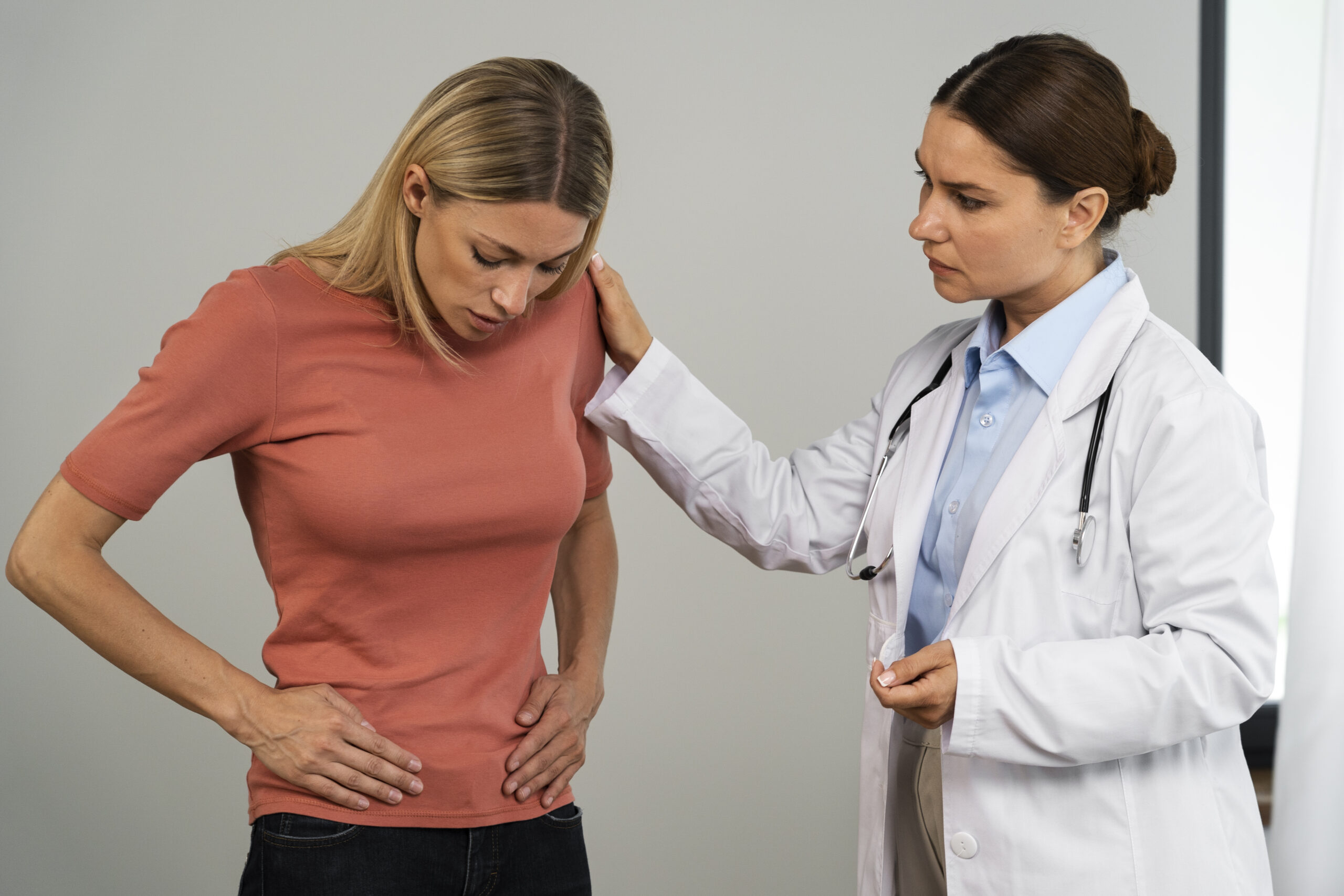
Most bloating resolves with home care, but persistent or severe cases warrant seeing a doctor. Don't delay if:
- Bloating occurs frequently (several times a week or more than a few weeks).
- It doesn't improve despite diet changes, exercise, or OTC remedies.
- Symptoms are severe, progressively worsening, or painful.
- Red flags appear: Severe abdominal pain, unexplained weight loss, blood in stool (red or black/tarry), vomiting, fever, persistent diarrhea/constipation, inability to pass gas/stool, or chest pressure.
These may indicate IBS, SIBO, IBD, infections, obstructions, or other conditions needing tests like breath tests (for intolerances/SIBO), blood work, upper endoscopy, colonoscopy, or imaging.
A gastroenterologist offers thorough evaluation—reviewing history, performing exams, and ordering targeted diagnostics—to pinpoint causes and provide personalized plans, including diets (e.g., low-FODMAP), medications, infusions, or procedures.
At Vanguard Gastroenterology (Gastro NYC), our team specializes in digestive disorders causing bloating. Services include personalized GI consultations, breath tests, endoscopies, colonoscopies, FibroScan, integrative weight management, and more for accurate diagnosis and lasting relief.
Get In Touch with Vanguard Gastroenterology
- Midtown Location: 36 East 31 Street, Suite 701, New York City, NY 10016
- Broadway Location (The Woolworth Building): 233 Broadway, Suite 2750, New York, NY 10279
- Call Now: (212) 889-5544
If stomach bloating disrupts your routine and home remedies aren't sufficient, professional care can uncover the root cause and restore comfort. Visit https://www.gastro-nyc.com/ to learn more or schedule a consultation.
Frequently Asked Questions (FAQs)
Q2: How can I relieve stomach bloating quickly at home?
Answer: Walk after meals, sip peppermint or ginger tea, do gentle yoga or belly massage, and avoid triggers like fizzy drinks. Simethicone often helps break gas bubbles within 30-60 minutes.
Q3: Is stomach bloating different in men and women?
Answer: Causes overlap, but women often experience more hormonal bloating (e.g., during periods or menopause) due to fluid retention and gut motility changes. Men may notice it more from diet or constipation.
Q4: When does bloating become a medical concern?
Answer: Seek help if it's chronic (weeks-long or frequent), severe, or paired with pain, weight loss, blood in stool, vomiting, fever, or bowel changes. These could signal IBS, SIBO, or other issues.
Q5: Can lifestyle changes prevent stomach bloating long-term?
Answer: Yes—eat slowly in smaller portions, stay active, limit gas foods, manage stress, and hydrate well. Track triggers with a diary. If it persists, a gastroenterologist can tailor solutions for sustained relief.